Paris has the Eiffel Tower, London its Big Ben and for two days this week, New York has Sukkah City.
Thanks to an architectural competition conceived of by Joshua Foer and administered and funded by Reboot, 12 different, decidedly postmodern versions of the ancient ritual structure (or booth) whose origins date back to Biblical times, will briefly take root in Union Square Park come Sunday and Monday.
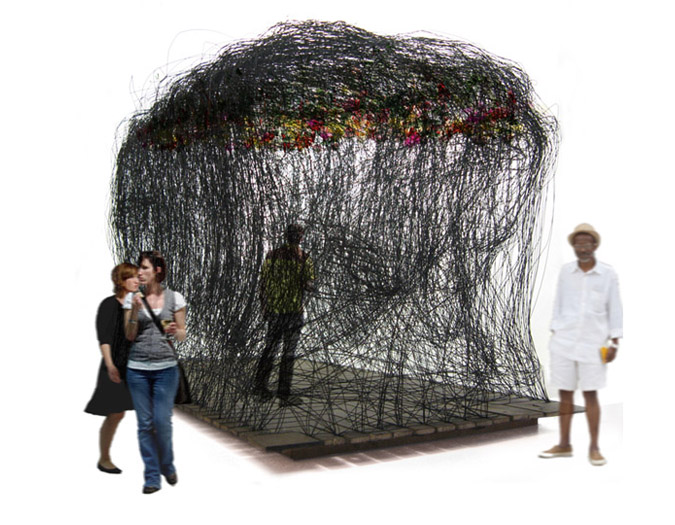 Much like Christo's 2005 site specific project, The Gates, in which Central Park was awash in orange-colored flags, its downtown cousin, once the scene of countless labor demonstrations and rallies, is now awash in sukkahs (or, to be correct about it, sukkot).
The intrusion of an age-old, religiously-mandated architectural idiom into the modern urban landscape lends a special frisson, perhaps even a touch of naughtiness, to the proceedings; call it playful incongruity.
Equally incongruous, especially for those familiar with the often hastily cobbled, jerry-built, aesthetically inchoate form of most sukkahs, is the high degree of aestheticism lavished on these 12 exemplars.
Most booths are lucky if they remain standing throughout the week-long festival of Succoth. In striking contrast, these are the handiwork of trained architects; they're beautifully assembled, handsomely crafted, and well thought out.
But then, incongruity and aesthetics are not the only things that render Sukkah City a real treat for the eye and the spirit.
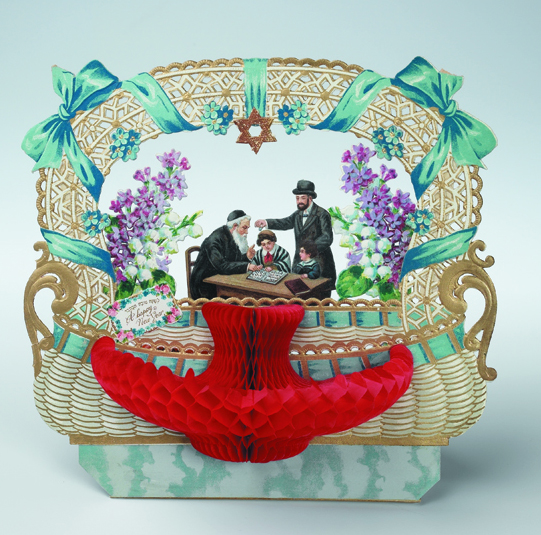
What's most exhilarating is the way the sukkah has been transformed from a curiosity into a spectacle. For much of its history in the United States, the sukkah was a private, unobtrusive bit of business. Mindful of what the neighbors would think, most American Jews, at least until fairly recently, kept their succahs to themselves. Some American Jews even went so far as to miniaturize it, rendering the outdoor structure into a centerpiece for their dining room table.
But no more. Thanks to this imaginative and affirming event – a happening, in the best sense of the word - the sukkah has found a place for itself in the modern public square.
"Single Thread" by Matter Practice. Sukkah City website. Courtesy of Joshua Foer.
 It's tempting to cite Warhol's Marilyns as the inspiration for the 18 screen prints in Miriam Mörsel Nathan's Greta series, each of which shows a different colored version of the same dress.
 MW: Dan, as someone with a lot of experience in Jewish journalism, what are some of the challenges inherent in interviewing scholars of Jewish history or culture? Is it tough to get professors to speak in anything close to sound bites? What are some of the things you wish all Judaic studies professors hopeful of appearing in the Forward’s arts and culture section knew about your beat?
  Other posters, mixing their metaphors right and left, drew both on Orientalist imagery and the modern preoccupation with physical well-being. Summoning the "genie of Jaffa," who magically materialized from the inside of a Jaffa orange, this advertisement also summoned up the potent word "vitamins," and with it, the promise of good health.
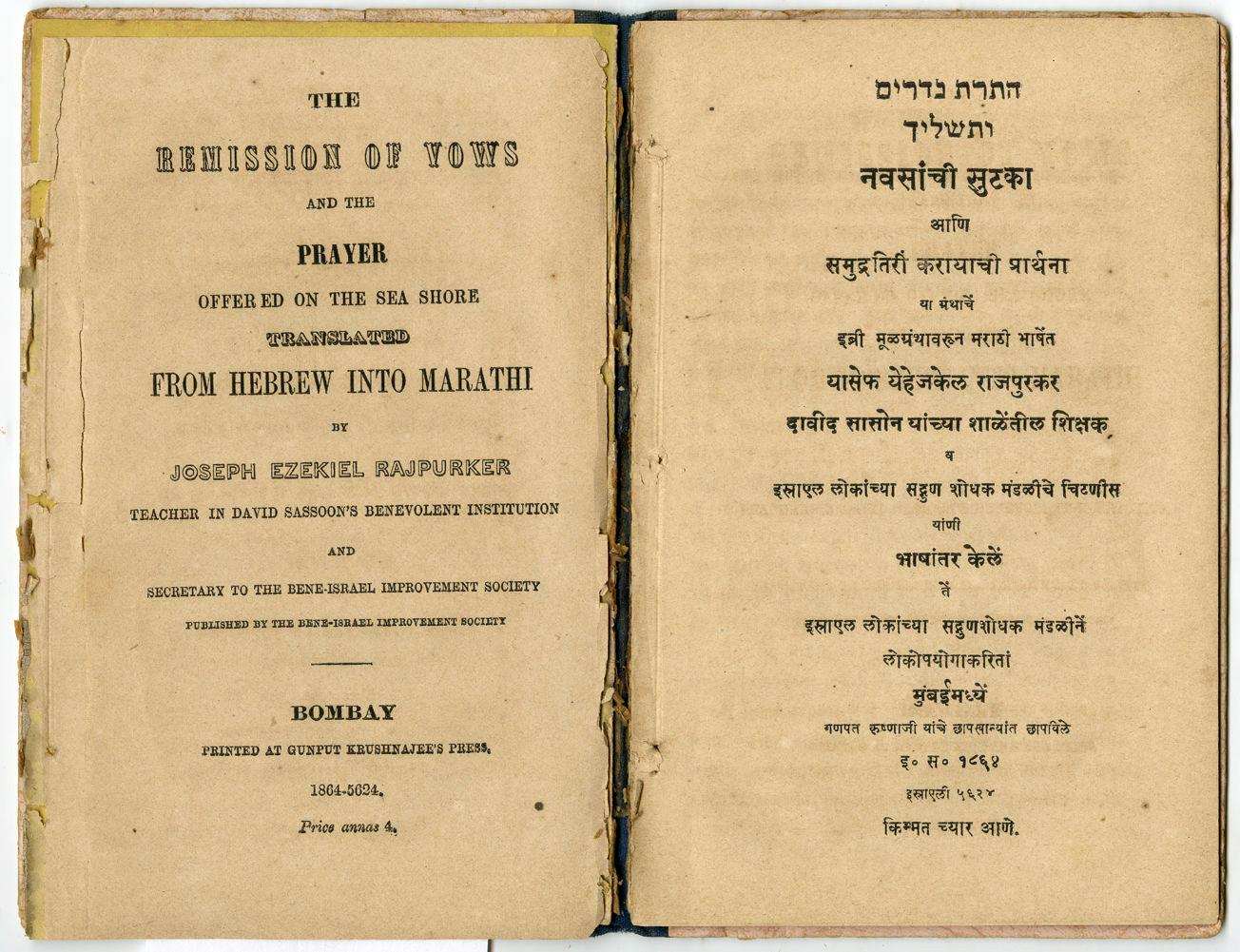 Little wonder, then, that over the years tashlich has held its own.
,_2nd_president_of_the_United_States,_by_Asher_B._Durand_(1767-1845)-crop.jpg) Earlier today, while riding the Metro, I overheard the following mother-daughter conversation:
Earlier today, while riding the Metro, I overheard the following mother-daughter conversation: But what if travel turned out to be more a matter of constraint, of diminished expectations, than of affirmation?
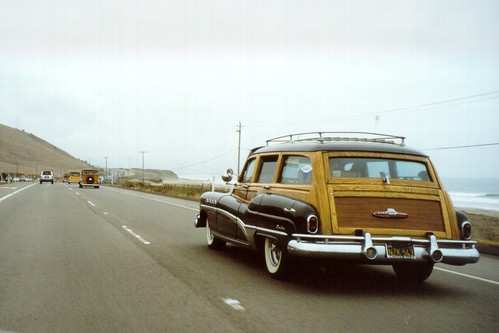 As much a form of travel literature as Kerouac's salute or Benjamin of Tudela's picaresque tales, this text is the subject of a new play, The Green Book, which will be given
  This happened to me the other day when I came across Masa ha-dag, a children’s book of the 1920s that recounted in Hebrew the far-flung adventures of a fish (pictured).
 Much the same could be said of yet another Jewish cultural institution: